What Today’s Treasury Sell-Off Is Telling Us
The bond vigilantes had a busy Wednesday, but maybe they aren’t vigilantes at all.
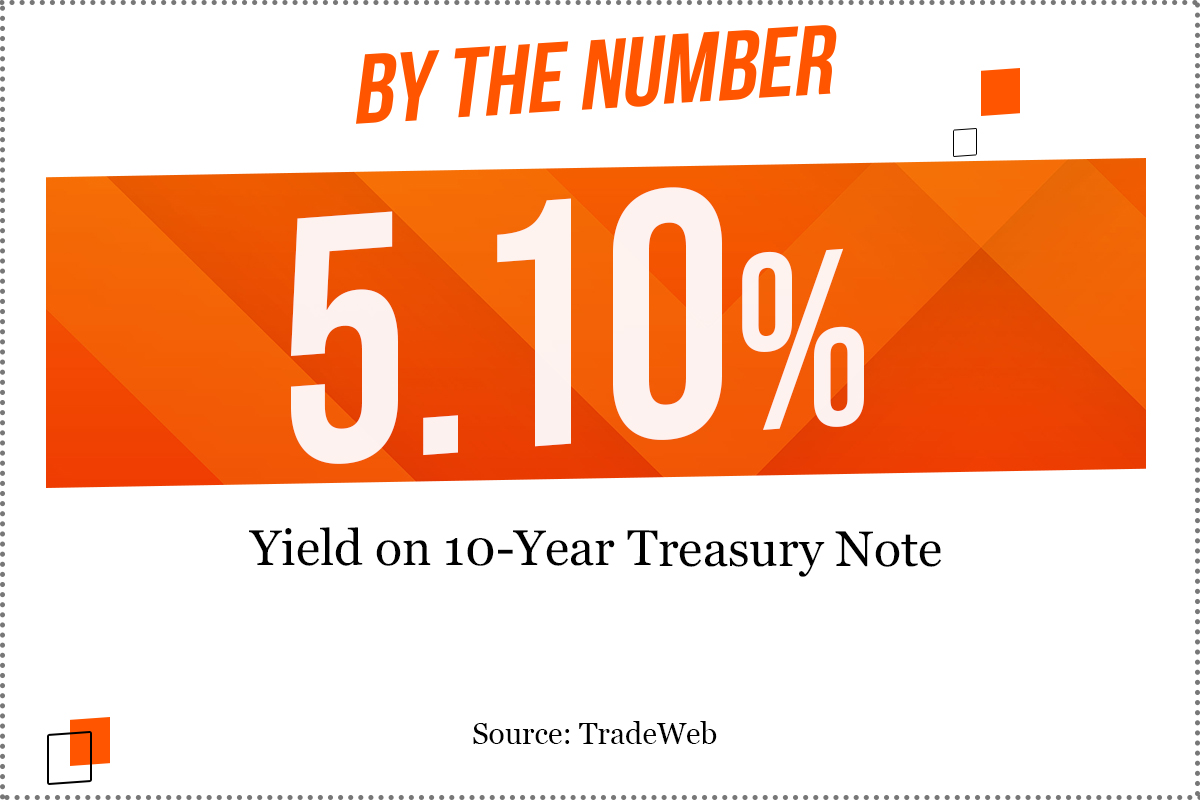
The yield on the 10-year Treasury climbed to 5.108 percent, its highest level since 2007. If this was a warning about Washington’s debt, its timing was peculiar. The sell-off followed a report that American businesses are growing much faster than economists expected. There was no news about the federal deficit or debt.
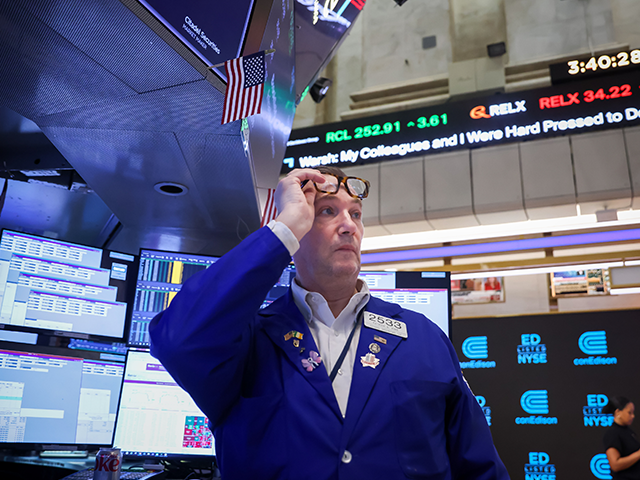
A trader works on the floor of the New York Stock Exchange (NYSE) in New York on Sept. 16, 2026. (Michael Nagle/Bloomberg via Getty Images)
S&P Global’s preliminary September survey showed activity across manufacturing and services expanding at the fastest pace in more than five years. Its composite index rose to 58.4 from 56.0 in August. The manufacturing index jumped to 57.0 from 53.9, well above expectations of 53.6, while the services index reached 58.7. New orders and hiring strengthened. S&P Global said the September readings were consistent with annualized growth of around five percent for the month and four percent for the third quarter. The Atlanta Fed’s GDPNow estimate for the quarter stood at 5.1 percent before today’s report.
“US business continues to boom, with output growing at the fastest rate for over five years in September,” S&P Global economists Chris Williamson said.
Higher Growth Prospects Pushing Yields Higher
The bond market’s response was immediate. As yields rose across the Treasury market, traders sharply increased their bets on another Federal Reserve rate increase in October. Earlier in the day, futures implied a 53 percent chance of a hike. After the report, that probability rose to 73 percent. The yield on the two-year Treasury, which is especially sensitive to expectations for Fed policy, rose alongside the 10-year yield.
This is a useful test of the claim that rising Treasury yields are principally a verdict by so-called bond vigilantes policing federal borrowing. The government’s debt did not suddenly increase when the PMI numbers were released. Instead, investors learned that the economy appeared to be stronger than they had thought, and they revised their expectations for interest rates accordingly.
That does not mean bond traders ignored inflation. Businesses in the S&P survey reported rising input costs, partly reflecting higher energy prices. Stronger demand can also make the Fed less confident that inflation will return promptly to two percent. The market can therefore read a strong growth report as a reason to expect tighter monetary policy. What’s more, the strength of business growth suggests there’s little downside risk to a Fed increase right now, clearing the path for higher hikes. But that chain of reasoning begins with good news about the economy, rather than a fresh appraisal of the government’s ability to borrow or service its debt.
Barr’s Recalibration
Federal Reserve Governor Michael Barr’s comments on Wednesday were very bullish on the economy. He made it clear that in his view, stubborn inflation is a greater risk because economic growth is so solid.
“Economic growth is strong, and the labor market is solid, but inflation is above our two percent target and not clearly trending toward target in a timely way. Moreover, risks to achieving our inflation target have increased, while risks to the labor market have receded. We needed to recalibrate monetary policy to reflect the balance of risks to our mandate goals,” Barr said in a speech at the Chicago Fed.
The movement in shorter-term bonds helps make the distinction. If Wednesday’s sell-off were chiefly about the growing supply of long-term Treasurys or a rising premium for holding them, we would expect the pressure to be more concentrated at the long end of the market. Instead, the two-year yield rose by about as much as the 10-year yield in the initial reaction. Traders were repricing the likely course of Fed policy.
In other words, the Treasury sell-off is good news not bad news. The economy delivered a major upside surprise, and investors concluded that the Fed was more likely to raise rates again. Treasury prices fell. The bond market was responding to strength in the economy, and the route from the economic report to the higher yield ran straight through expectations for the Fed.
This isn’t bond vigilantes but bond market trainspotters who are watching the engines of economic growth accelerate.